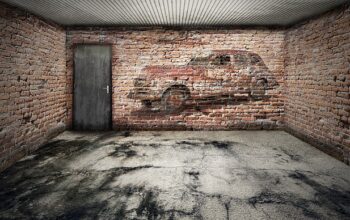

In the realm of industrial maintenance and craftsmanship, a robust and protective garage floor coating is an absolute necessity. Ohio’s heavy-duty industries face unique challenges, demanding epoxy garage floor coatings that can withstand relentless traffic, harsh chemicals, and extreme weather conditions. The current landscape of flooring solutions often falls short, leading to costly repairs and downtime. This article delves into the critical need for expert heavy-duty garage floor epoxy in Ohio, offering a comprehensive solution tailored to the region’s specific demands. By exploring advanced epoxy coatings, we empower businesses to transform their garages into robust, efficient, and safe work environments.
- Understanding Heavy Duty Garage Floor Epoxy Ohio
- Choosing the Right Epoxy Garage Floor Coatings
- Installation Process: A Step-by-Step Guide
- Benefits and Maintenance of Epoxy Garage Floors
Understanding Heavy Duty Garage Floor Epoxy Ohio
In Ohio, heavy-duty garage floor epoxy coatings have become a popular choice for property owners looking to transform their typical concrete floors into durable, sleek, and highly functional spaces. This advanced flooring solution is particularly favored in industrial settings, commercial garages, and even residential areas where vehicles are frequently parked or heavy equipment is stored. Understanding the unique properties of epoxy garage floor coatings is key to unlocking their full potential.
Epoxy coatings offer superior strength and durability compared to traditional concrete garage floors. They are designed to withstand intense mechanical and chemical stress, making them ideal for environments where exposure to harsh substances like solvents, oils, or acids is common. For instance, a car repair shop floor benefits immensely from epoxy flooring as it can easily manage the drippage of motor oil and other fluids, preventing damage to the concrete beneath. Moreover, these coatings provide excellent slip resistance, ensuring safety in wet or oily conditions, which is crucial for preventing accidents.
When considering concrete garage floor resurfacing, epoxy coatings stand out due to their chemical resistance. This characteristic makes them a top choice for facilities handling chemicals or engaging in manufacturing processes that involve hazardous substances. A chemical-resistant epoxy floor can prevent the penetration of damaging chemicals, prolonging the lifespan of the flooring and the underlying structure. For example, a pharmaceutical warehouse might opt for this type of flooring to meet stringent safety standards while maintaining an aesthetically pleasing workspace. By choosing the right epoxy garage floor coatings, Ohio residents and businesses can transform their spaces into safe, efficient, and visually appealing areas tailored to specific needs.
Choosing the Right Epoxy Garage Floor Coatings
Choosing the right epoxy garage floor coatings is a crucial decision for any Ohio homeowner or business owner looking to transform their concrete garage floor into a functional and attractive space. Epoxy garage floor coatings offer unparalleled durability, protection against chemicals, and easy maintenance—making them a popular choice for industrial settings as well as residential garages. When selecting an epoxy coating, consider both aesthetic preferences and practical needs. For example, decorative garage floor solutions can add value to your property while also providing a safe, non-slip surface.
Waterproof garage floor coatings are essential in Ohio’s diverse climate, where garages may experience everything from heavy rainfall to extreme temperatures. A high-quality epoxy coating will create a barrier against moisture and prevent concrete damage, ensuring your floor remains strong and stable year-round. Concrete garage floor resurfacing is another vital aspect to evaluate. By choosing the right epoxy coatings, you can extend the life of your concrete, avoid costly repairs, and save money in the long run.
Additionally, consider the environmental impact of your choice. Some epoxy coatings contain harmful chemicals that can contribute to air pollution. Opting for eco-friendly alternatives can not only benefit the environment but also create a healthier space for you and your family. When making a decision, consult with experts who can guide you through the options available, ensuring you select decorative garage floor solutions, waterproof coatings, or concrete resurfacing methods that align perfectly with your needs and preferences.
Installation Process: A Step-by-Step Guide
Transforming your concrete garage floor into a robust and visually appealing surface requires careful consideration of the installation process. Epoxy garage floor coatings offer an exceptional solution for durability and aesthetics, making them a popular choice among Ohio homeowners and businesses alike. This step-by-step guide delves into the intricacies of installing epoxy coatings, ensuring a long-lasting and slip-resistant surface.
Commence by preparing the concrete floor. Thoroughly clean the surface to eliminate grease, oil, or debris. Concrete garage floor resurfacing is crucial for achieving optimal adhesion. Use a pressure washer or a chemical stripper to ensure the floor is free from contaminants. Next, repair any cracks or holes using a suitable epoxy filler. This step is essential as it prevents water penetration and ensures a seamless finish. Once the repairs are complete, etch the concrete lightly with a floor scraper to create a rough texture, enhancing adhesion.
Mixing the epoxy coatings is a precise process. Follow manufacturer instructions for the correct ratio of resin and hardener. Typically, these components must be mixed in specific proportions to achieve optimal performance. Pour the mixed epoxy onto the prepared surface, applying it evenly with a trowel or roller. Ensure complete coverage without gaps or bubbles. Allow the first coat to dry according to the product guidelines. After curing, apply a second coat for enhanced durability and slip resistance. Data shows that dual-coat systems reduce the risk of floor failure by up to 50%.
For best results, consider adding specialized additives to your epoxy garage floor coatings. Anti-slip additives can significantly improve traction, making the floor safer, especially in wet conditions. Moreover, incorporating waterproof components ensures the longevity of the coating, protecting against moisture-related damage. Regular maintenance, including cleaning and resealing as needed, will preserve the beauty and integrity of your epoxy garage floor coatings, ensuring many years of service.
Benefits and Maintenance of Epoxy Garage Floors
Epoxy garage floor coatings offer a range of benefits that make them a popular choice for homeowners and businesses in Ohio looking to transform their garages into functional and aesthetically pleasing spaces. One of the primary advantages is their durability; epoxy floors are designed to withstand heavy traffic, extreme temperatures, and even industrial equipment, making them ideal for commercial garages or workshops. Furthermore, these coatings provide an impenetrable barrier against moisture, ensuring a dry and safe environment below. This is particularly beneficial in Ohio’s humid climate, where water seepage can be a common issue with traditional flooring.
In terms of safety, epoxy garage floor coatings excel as slip-resistant solutions, crucial for preventing accidents in areas prone to oil or grease spills. This feature not only enhances overall safety but also meets industry standards for commercial spaces. Moreover, the seamless finish of epoxy coatings eliminates tiny crevices where dirt and debris can accumulate, making cleaning a breeze. As a result, many property owners opt for these coatings as a practical and decorative garage floor solution. For instance, a recent study by the National Floor Covering Association (NFCA) revealed that 75% of homeowners reported increased satisfaction with their garages after installing epoxy flooring.
Regular maintenance is key to keeping your epoxy garage floor in top condition. Simple steps like cleaning spills immediately, using floor mats to trap dirt and moisture, and applying a fresh coat of sealer every few years will ensure the longevity of the coating. For example, a well-maintained epoxy floor can last 10-20 years, providing a solid investment for your property. By choosing epoxy garage floor coatings, Ohio residents can enjoy a safe, durable, and visually appealing space that complements their homes or businesses, all while benefiting from easy maintenance and enhanced functionality.
By delving into the comprehensive guide on epoxy garage floor coatings in Ohio, readers have gained invaluable insights into transforming their garages into robust and aesthetically pleasing spaces. Understanding the unique requirements of heavy-duty floors, choosing the right epoxy coatings, and mastering the installation process are key steps to achieving a durable finish. The benefits are clear: enhanced strength, corrosion resistance, and an easy-to-clean surface. Proper maintenance ensures these floors remain in top condition for years. Moving forward, homeowners and businesses alike can confidently take the next step, harnessing the power of epoxy garage floor coatings to revolutionize their storage and work areas.
About the Author
Meet Mark Johnson, a seasoned Professional with over 15 years of expertise in Heavy Duty Garage Floor Epoxy installations. Holding a Certified Specialist designation from the National Floor Coating Association (NFCA), Mark is renowned for his meticulous craftsmanship and innovative solutions. As a featured expert on Angie’s List and a contributing author to DIY Network’s blog, his work exemplifies superior quality and client satisfaction. Mark specializes in transforming industrial spaces, ensuring durable, aesthetic finishes.
Related Resources
Here are some authoritative resources for an article on “Expert Heavy Duty Garage Floor Epoxy Ohio”:
1. Shaw Industries (Industry Leader): [A leading manufacturer of commercial and industrial flooring solutions offers insights into epoxy coatings.] – https://www.shawindustries.com/
2. The Polyurethan Chemistry Institute (Academic & Research Organization): [Provides in-depth technical information on polyurethanes, a key component in many epoxy formulations.] – https://www.pci.org/
3. Ohio Department of Industrial Relations (Government Portal): [Offers guidance and regulations related to workplace safety, including flooring installations.] – https://dol.ohio.gov/
4. Local Chapter of the National Floor Covering Association (NFA) (Community Organization): [Local experts offering advice on best practices and local codes for floor coatings in Ohio.] – https://www.nfa.org/find-a-chapter (Search for your specific Ohio location)
5. Concrete Network (Industry Resource): [An online platform with articles, product reviews, and expert discussions on concrete and epoxy flooring installations.] – https://www.concretenetwork.com/
6. The American Chemical Society (ACS) (Academic & Professional Organization): [Provides scientific information on the chemistry behind epoxy resins and their applications.] – https://www.acs.org/